Creamy Lobster Pasta
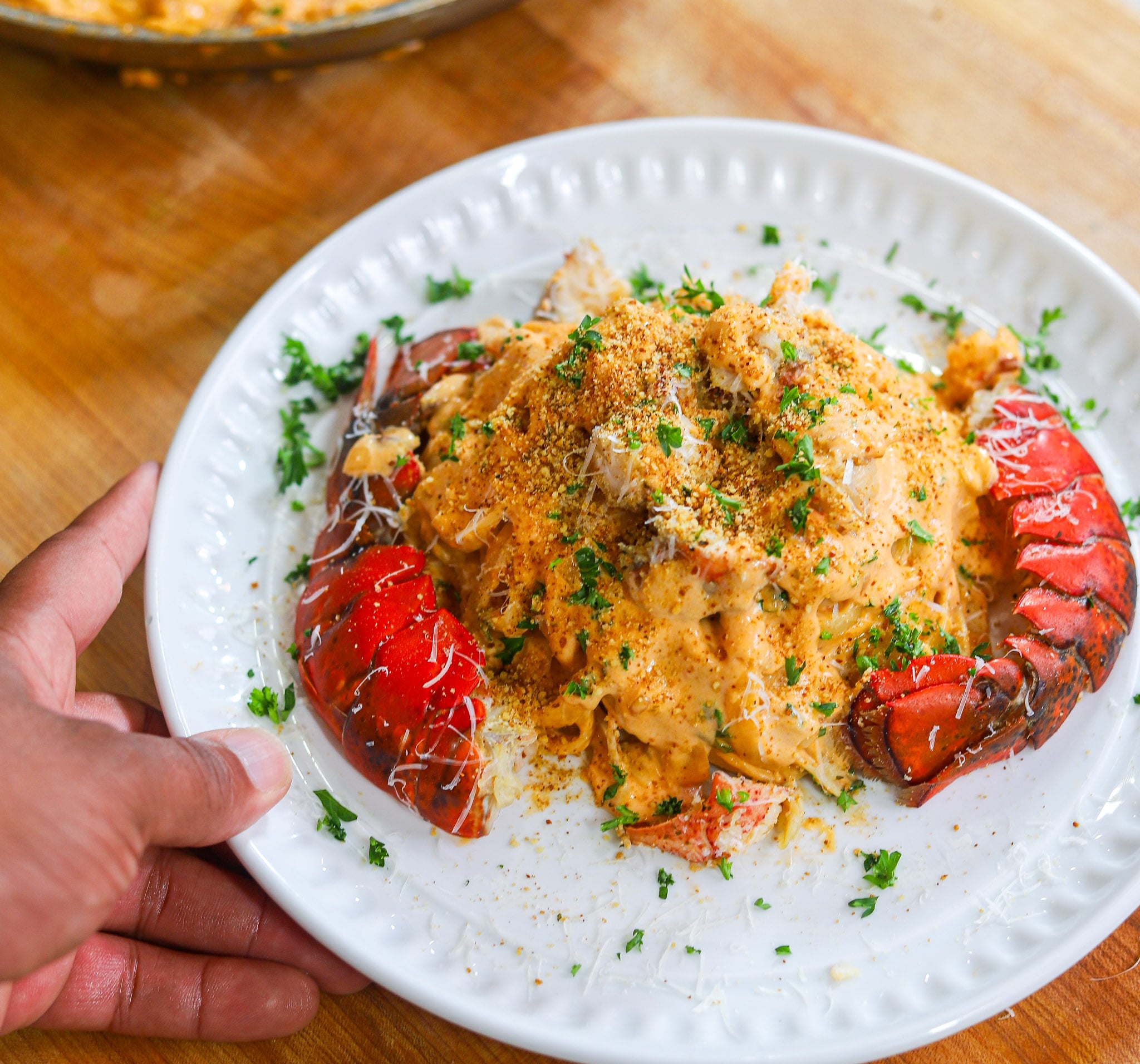
Creamy lobster pasta recipe that tastes like something you’d order at a fancy restaurant, this is the one! We’re talking tender, buttery lobster tails tossed with fettuccine in a rich garlic Parmesan cream sauce loaded with flavor.
And the best part? You can make this restaurant-quality creamy lobster pasta right at home in about 45 minutes.
Chef Kolby’s Tip: The secret to really good creamy lobster pasta is building flavor before you ever add the cream. I like cooking my lobster tails directly in butter, then using that same skillet for the sauce. And don’t throw those shells away! Simmering them in the pasta cooking liquid adds another layer of seafood flavor that makes the finished dish even better.
If you love seafood recipes, then you’ll definitely want to check out my BBQ Shrimp Recipe & Creole Seafood Pot Pie with Cheddar Bay Biscuits
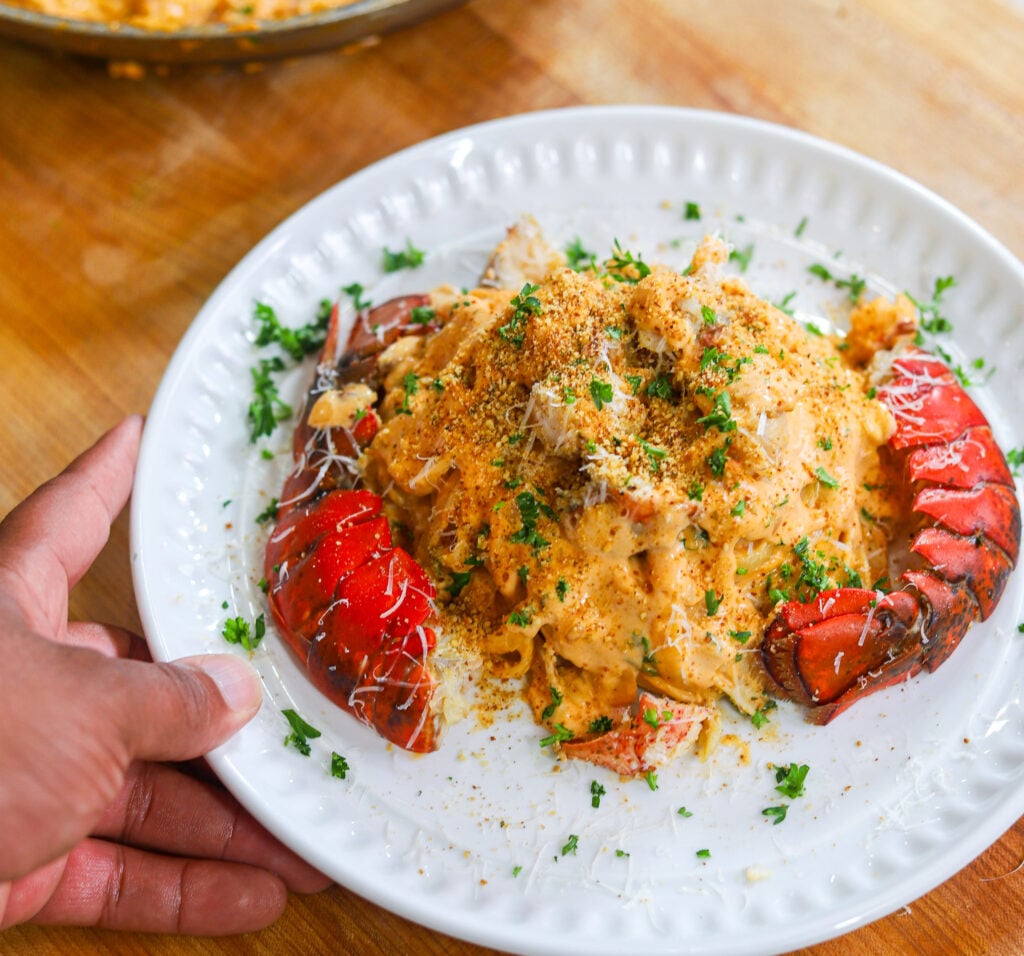
First, we’re searing fresh lobster tails in butter, letting all that delicious lobster flavor infuse into the pan. Then we’re using those same buttery drippings to make a creamy garlic sauce with shallots, tomato paste, white wine, heavy cream, and freshly grated Parmesan.
But here’s where we take things up another level.
We’re cooking our fettuccine in seafood stock with the leftover lobster shells. That means even the pasta itself is getting infused with seafood flavor!
Whether you’re planning a romantic date night, celebrating a special occasion, or just want to treat yourself to something good, this creamy lobster fettuccine is guaranteed to impress.
Why You’ll Love This Creamy Lobster Pasta Recipe
There are plenty of reasons this lobster pasta deserves a spot in your dinner rotation.
Restaurant-quality flavor: This dish delivers everything you love about an expensive seafood pasta without having to leave your kitchen.
Rich and creamy garlic Parmesan sauce: Heavy cream, fresh garlic, shallots, tomato paste, and Parmesan create a silky sauce that coats every strand of pasta.
Tender, buttery lobster: Searing lobster tails in butter adds incredible flavor while keeping the meat tender and juicy.
Extra seafood flavor: Cooking the pasta with lobster shells and seafood stock is a simple technique that makes a big difference.
Ready in about 45 minutes: Despite how impressive it looks, this recipe is surprisingly easy to make.
Perfect for special occasions: Whether it’s Valentine’s Day, an anniversary, or a date night at home, this pasta makes any dinner feel special.
Easy to customize: Swap the fettuccine for linguine, spaghetti, or your favorite pasta. You can even add shrimp or scallops.
What Makes This Lobster Pasta Different?
The secret to making the best creamy lobster pasta isn’t just adding lobster to Alfredo sauce.
It’s about building flavor at every step.
When you cook the lobster tails meat-side down in butter, you’re creating a flavorful base for the entire dish.
Instead of washing that pan or starting over, we’re using the same skillet to sauté our shallots, garlic, and tomato paste.
A splash of white wine helps release all those delicious browned bits from the bottom of the pan, adding even more depth to the sauce.
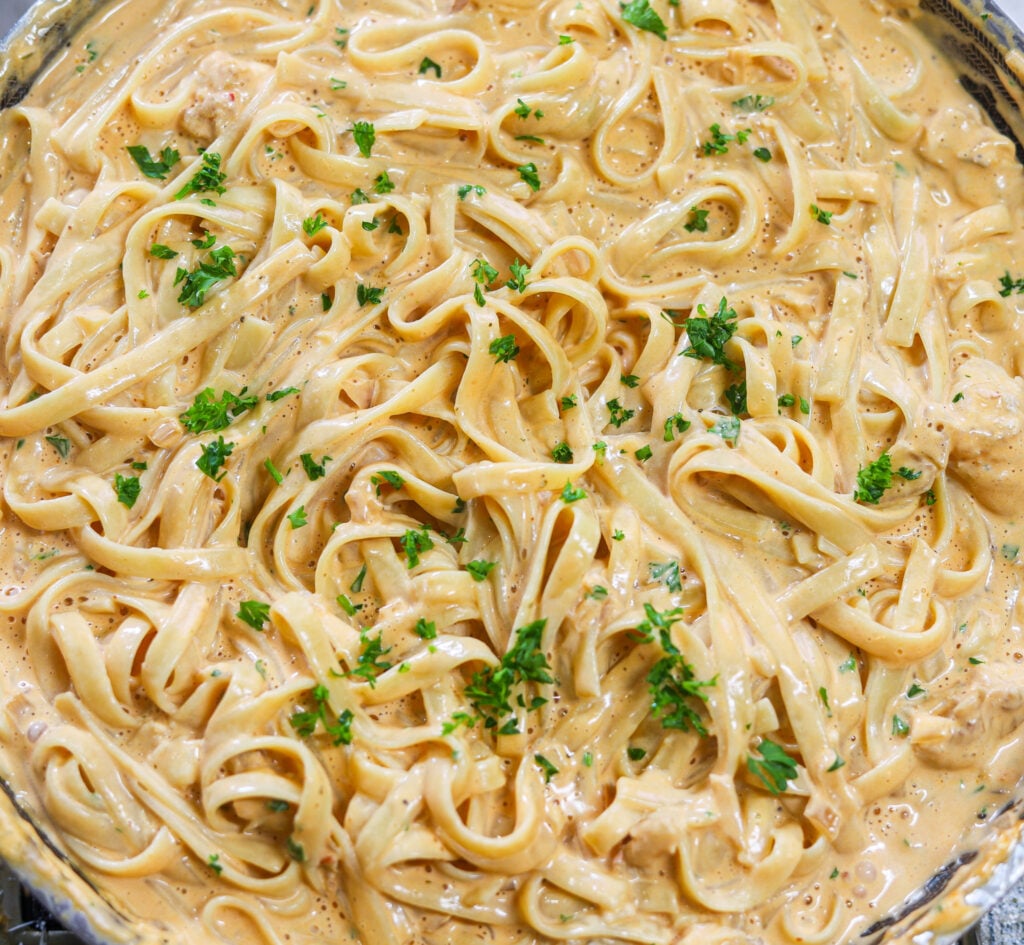
And instead of cooking our pasta in plain water, we’re using seafood stock and the reserved lobster shells.
This infuses the pasta with subtle seafood flavor while creating a flavorful, starchy cooking liquid that helps bring the sauce together.
The result is a creamy lobster pasta that tastes rich, balanced, and full of flavor without overpowering the natural sweetness of the lobster.
Ingredients for Creamy Lobster Pasta
You don’t need a ton of complicated ingredients to make this dish. We’re using a handful of simple ingredients and letting the lobster do most of the talking.
Lobster Tails
Fresh or frozen lobster tails work perfectly for this recipe.
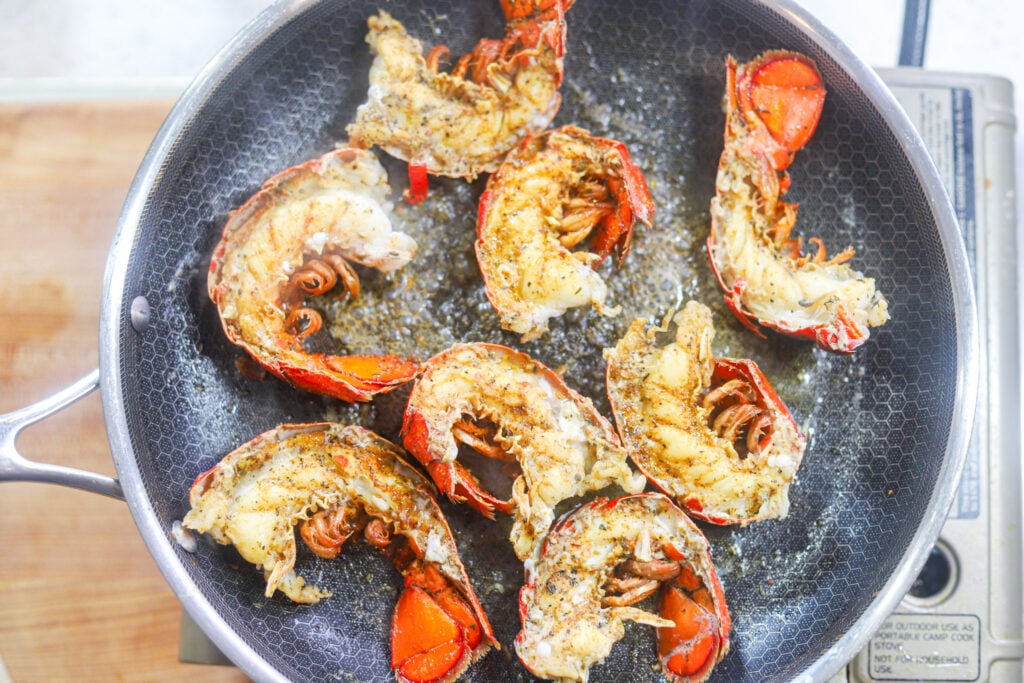
I like cutting the tails in half lengthwise and cooking them directly in the shell. This helps protect the meat while allowing the lobster to release its flavor into the butter.
If you’re using frozen lobster tails, make sure they’re completely thawed before cooking.
Fettuccine Pasta
Fettuccine is my pasta of choice for this recipe because the wide noodles hold onto the creamy sauce beautifully.
You can also use linguine, spaghetti, tagliatelle, or another pasta you prefer.
Butter
Butter is the foundation of this recipe.
We’re using it to sear the lobster and build the base of our sauce. As the lobster cooks, the butter picks up all that delicious seafood flavor.
I recommend unsalted butter so you have more control over the final seasoning.
Shallots
Shallots add a mild, slightly sweet onion flavor that pairs beautifully with seafood.
They provide depth without overpowering the lobster.
Fresh Garlic
Fresh garlic is essential for this creamy lobster pasta.
I recommend using freshly minced garlic rather than the jarred version for the best flavor.
Tomato Paste
Tomato paste adds richness, a subtle sweetness, and a beautiful color to the sauce.
Cooking it for a minute or two before adding liquid helps deepen its flavor.
White Wine
A small splash of dry white wine helps deglaze the pan and adds acidity that balances the richness of the butter and cream.
I recommend Sauvignon Blanc or Pinot Grigio.
If you prefer not to cook with wine, seafood stock works just as well.
Heavy Cream
Heavy whipping cream creates the rich, silky texture that makes this lobster pasta so good.
It also helps bring together the garlic, tomato paste, and buttery lobster drippings.
Parmesan Cheese
Freshly grated Parmesan adds a savory, nutty flavor and helps thicken the sauce.
For the smoothest results, grate your Parmesan fresh rather than using pre-shredded cheese.
Seafood Stock
Seafood stock is one of the ingredients that makes this recipe special.
We’re using it to cook the pasta along with the reserved lobster shells.
The result is a flavorful cooking liquid that also helps loosen and emulsify the cream sauce.
Seasonings
Salt and freshly cracked black pepper are all you really need.
If you want to add a little extra flavor, a light sprinkle of Bayou City Garlic Pepper or All-Purpose Seasoning works beautifully.
Just be careful not to overpower the lobster.
How to Make Creamy Lobster Pasta
Step 1: Prepare the Lobster Tails
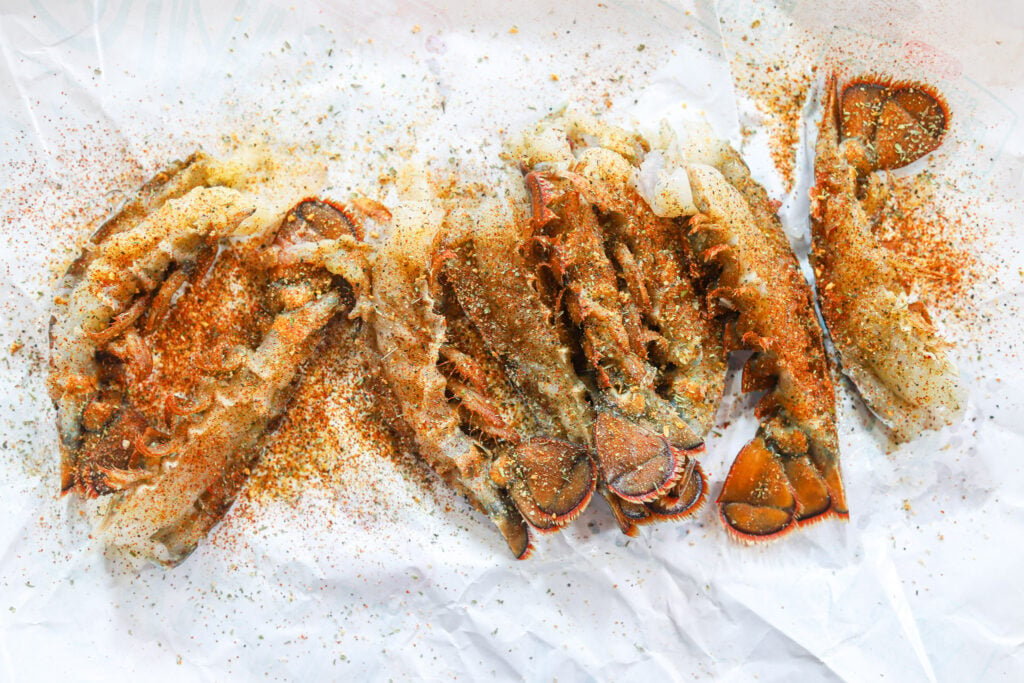
Using kitchen shears or a sharp knife, carefully cut each lobster tail in half lengthwise, keeping the meat attached to the shell.
Pat the lobster dry with paper towels and season the exposed meat lightly with salt and freshly cracked black pepper.
Step 2: Sear the Lobster in Butter
Heat a large skillet over medium heat and add the butter and olive oil.
Once the butter melts and begins to bubble, place the lobster tails meat-side down in the skillet.
Allow them to cook for approximately 3–4 minutes before flipping.
Continue cooking for another 2–3 minutes, depending on the size of the tails, until the lobster is opaque and cooked through.
The lobster should reach an internal temperature of 145°F.
Remove the lobster tails from the skillet and allow them to cool slightly.
Step 3: Remove and Chop the Lobster Meat
Once the lobster is cool enough to handle, carefully remove the meat from the shells.
Roughly chop the lobster into bite-sized pieces and set aside.
Don’t throw those shells away!
We’re going to use them to add extra flavor to our pasta.
Step 4: Build the Garlic Cream Sauce
Using the same skillet with all those delicious lobster drippings, add a little more butter if needed.
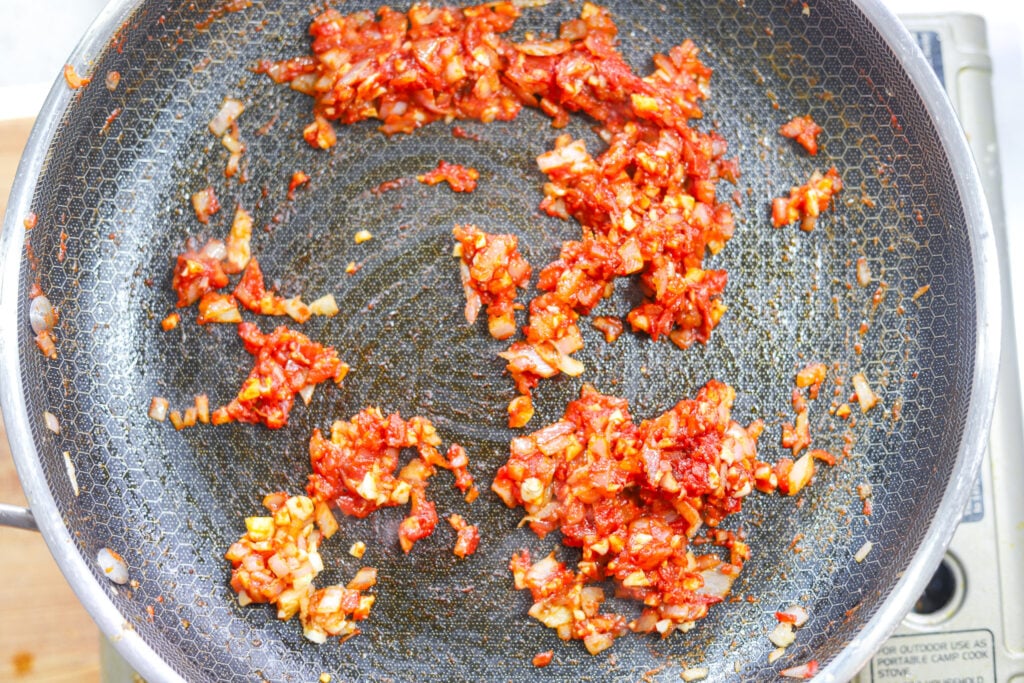
Add the finely diced shallot and sauté for approximately 2–3 minutes until softened.
Next, add the minced garlic and cook for another 30 seconds until fragrant.
Stir in the tomato paste and allow it to cook for 1–2 minutes.
You want the tomato paste to darken slightly and develop a deeper flavor.
Step 5: Deglaze With White Wine
Pour in the white wine or seafood stock.
Use a wooden spoon to scrape up any flavorful browned bits from the bottom of the skillet.
Allow the liquid to simmer and reduce by approximately half.
This step helps concentrate the flavor and adds depth to the finished sauce.
Step 6: Add the Heavy Cream
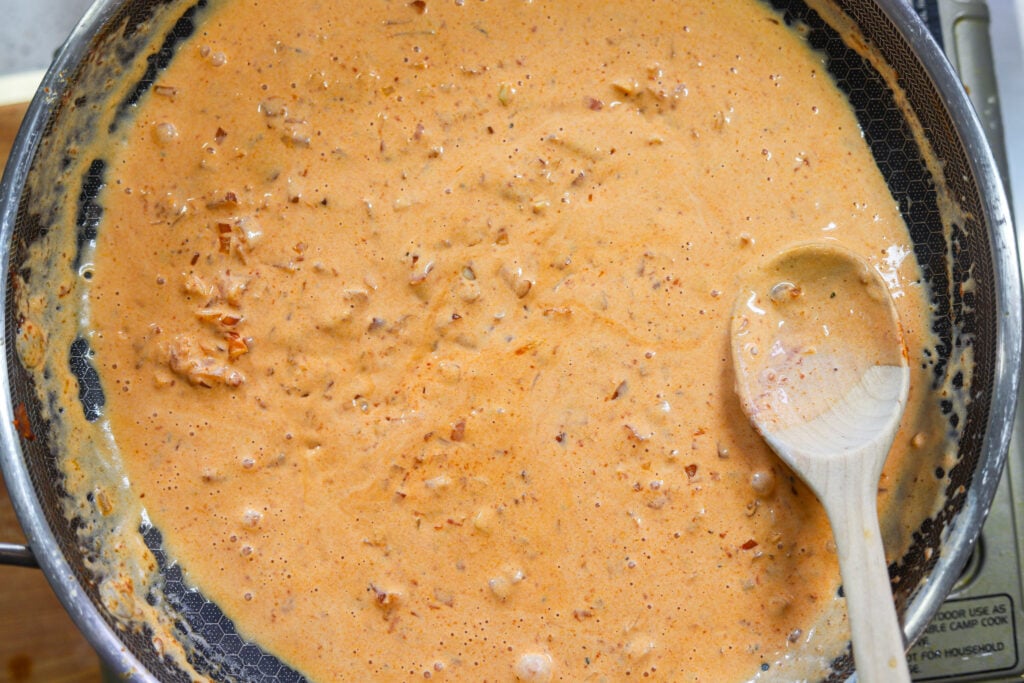
Reduce the heat to medium-low and slowly pour in the heavy cream.
Stir until the tomato paste is completely incorporated and the sauce becomes smooth.
Allow the sauce to gently simmer for approximately 5–7 minutes until it begins to thicken.
Avoid bringing the cream to a rapid boil.
Step 7: Cook the Fettuccine in Lobster-Infused Stock
While the sauce simmers, bring seafood stock and enough additional water to cover the pasta to a boil in a large pot.
Add the reserved lobster shells and let them simmer in the liquid for approximately 5 minutes.
This allows the shells to release some of their flavor into the cooking liquid.
Add the fettuccine and cook until al dente according to the package instructions.
Stir occasionally to prevent sticking, especially if using a smaller amount of cooking liquid.
Before draining the pasta, reserve at least 1 cup of the cooking liquid.
Remove and discard the lobster shells.
Chef’s Tip: The lobster-infused pasta water is liquid gold! Don’t forget to save some because we’re going to use it to finish our sauce.
Step 8: Finish the Garlic Parmesan Sauce
Reduce the heat beneath the sauce to low.
Gradually stir in the freshly grated Parmesan cheese until completely melted.
Add approximately ½ cup of reserved pasta cooking liquid and stir until the sauce becomes silky and smooth.
Taste and adjust with salt and freshly cracked black pepper.
If the sauce is too thick, add a little more pasta water until you reach your desired consistency.
Step 9: Add the Lobster and Fettuccine
Gently fold the chopped lobster meat into the sauce.
Allow it to warm through briefly before adding the cooked fettuccine.
Using tongs, toss everything together until every strand of pasta is coated in that creamy garlic Parmesan sauce.
Add additional pasta water as needed to loosen the sauce.
Step 10: Garnish and Serve
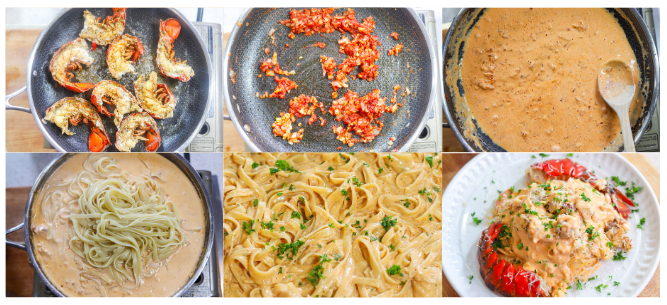
Transfer the creamy lobster fettuccine to serving bowls.
Finish with freshly grated Parmesan, chopped parsley, and freshly cracked black pepper.
For a little brightness, add a squeeze of fresh lemon juice.
Serve immediately and enjoy!
Tips for Making the Best Lobster Pasta
1. Don’t Overcook the Lobster
Lobster cooks quickly, and overcooking can make the meat tough and rubbery.
Because we’re adding the lobster back to the sauce at the end, there’s no need to cook it for an extended period a second time.
2. Cook the Lobster in Its Shell
Keeping the lobster in its shell while searing helps protect the delicate meat and adds flavor to the butter.
That flavored butter becomes the foundation of our sauce.
3. Don’t Skip the Tomato Paste
Tomato paste adds a subtle sweetness and richness that balances the garlic and cream.
Allowing it to cook briefly before adding liquid makes a noticeable difference.
4. Use Freshly Grated Parmesan
Fresh Parmesan melts much more smoothly than pre-shredded cheese.
It helps create that silky, restaurant-quality sauce we’re looking for.
5. Save Your Pasta Water
The starchy pasta water helps the sauce cling to the noodles.
Start with a small amount and add more as needed.
6. Keep the Sauce at a Gentle Simmer
Heavy cream can separate when exposed to excessive heat.
Keep the heat low and allow the sauce to thicken gradually.
7. Toss the Pasta Directly in the Sauce
Instead of spooning sauce over plain noodles, add the cooked fettuccine directly to the skillet.
Tossing the pasta in the sauce helps coat every strand evenly.
What Is the Best Pasta for Lobster?
Fettuccine is one of my favorite choices for creamy lobster pasta because its wide, flat noodles hold onto the sauce beautifully.
However, several other pasta shapes work well.
Linguine: A slightly thinner alternative that pairs perfectly with seafood.
Spaghetti: A classic option that’s easy to find and works well with creamy sauces.
Tagliatelle: Similar to fettuccine, with wide ribbons that hold plenty of sauce.
Pappardelle: Extra-wide noodles that create a rich, hearty pasta dish.
Rigatoni: A great option if you prefer shorter pasta with sauce trapped inside each piece.
No matter which pasta you choose, cook it until al dente so it maintains its texture when tossed with the sauce.
Frequently Asked Questions
What is lobster pasta sauce made of?
This creamy lobster pasta sauce is made with butter, shallots, garlic, tomato paste, white wine or seafood stock, heavy cream, and freshly grated Parmesan cheese. The sauce is cooked in the same skillet used to sear the lobster, adding extra seafood flavor.
How do you make creamy lobster pasta?
Start by searing lobster tails in butter. Remove and chop the meat, then prepare a garlic Parmesan cream sauce in the same skillet. Cook fettuccine in seafood stock with the reserved lobster shells, then toss the pasta and lobster with the finished sauce.
Can I use lobster meat instead of lobster tails?
Yes. You can use precooked lobster meat, although you’ll miss some of the flavor developed by searing the tails in butter. If using precooked lobster, gently warm it in the finished sauce rather than cooking it again.
What cream is best for lobster pasta?
Heavy whipping cream is the best option because its higher fat content creates a rich, smooth sauce that holds together well.
What cheese goes best with lobster pasta?
Freshly grated Parmesan is an excellent choice because its nutty, savory flavor complements the natural sweetness of lobster without overpowering it.
Why is my lobster pasta sauce too thick?
Cream sauces naturally thicken as they simmer and cool. Add a splash of reserved pasta water or seafood stock until the sauce reaches your desired consistency.
Why is my lobster tough?
Lobster becomes tough when it’s overcooked. Cook the tails just until the meat is opaque and reaches 145°F, then only warm the chopped meat briefly in the finished sauce.
Can I make creamy lobster pasta ahead of time?
This recipe is best served immediately. However, you can prepare the ingredients ahead of time by chopping the shallots, mincing the garlic, grating the Parmesan, and thawing the lobster tails.
More Pasta and Seafood Recipes You’ll Love
If you enjoyed this creamy lobster pasta recipe, be sure to check out some of my other favorites!
- Marry Me Chicken Pasta Recipe
- Cajun Shrimp Pasta Recipe
- Louisiana Chicken Pasta
- Creamy Chicken Spaghetti
- Garlic Butter Shrimp
Try another seafod favorites or one of my Southern-inspired recipes next.
And if you make this recipe, be sure to leave a rating and let me know: what was your favorite school cafeteria lunch growing up? Make sure to tag me on Instagram, TikTok, or Facebook !
Creamy Lobster Pasta
Ingredients
Method
- Using kitchen shears or a sharp knife, carefully cut each lobster tail in half lengthwise, keeping the meat inside the shell. Pat dry with paper towels and lightly season the exposed meat with salt, pepper, and Cajun seasoning if desired.
- Heat a large skillet over medium heat. Add the butter and olive oil. Once the butter is melted and bubbling, place the lobster tails meat-side down in the skillet.
- Cook for approximately 3–4 minutes, then flip and continue cooking for another 2–3 minutes, depending on the size of the tails, until the lobster is opaque and reaches an internal temperature of 145°F.
- Remove the lobster tails from the skillet and allow them to cool slightly.
- Carefully remove the lobster meat from the shells. Roughly chop the meat into bite-sized pieces and set aside. Reserve the shells to flavor the pasta cooking liquid.
- Using the same skillet with the lobster butter and drippings, add additional butter if needed.
- Add the diced shallot and sauté for 2–3 minutes until softened. Stir in the garlic and cook for another 30 seconds until fragrant.
- Add the tomato paste and cook for 1–2 minutes, stirring frequently, until it darkens slightly and begins to caramelize.
- Pour in the white wine or seafood stock, scraping the bottom of the skillet to release all those flavorful browned bits.
- Allow the liquid to simmer and reduce by approximately half.
- Reduce the heat to medium-low and pour in the heavy cream. Stir until the tomato paste is fully incorporated and the sauce is smooth.
- Allow the sauce to gently simmer for 5–7 minutes, stirring occasionally, until slightly thickened. Avoid boiling the cream.
- While the sauce simmers, bring the seafood stock and enough additional water to cover the pasta to a boil in a large pot.
- Add the reserved lobster shells and allow them to simmer in the liquid for a few minutes to release their flavor.
- Add the fettuccine and cook according to package directions until al dente, stirring occasionally.
- Before draining, reserve at least 1 cup of the pasta cooking liquid. Remove and discard the lobster shells.
- Reduce the heat beneath the sauce to low.
- Gradually stir in the freshly grated Parmesan cheese until melted and incorporated.
- Add approximately ½ cup of reserved pasta water, stirring until the sauce reaches a silky, creamy consistency.
- Taste and adjust the seasoning with salt and freshly cracked black pepper.
- Gently fold the chopped lobster meat into the sauce and allow it to warm through for 1–2 minutes.
- Add the cooked fettuccine directly to the skillet and toss until every strand is coated in the creamy lobster sauce.
- Add additional pasta water, a splash at a time, if needed to loosen the sauce.
- Plate the creamy lobster fettuccine immediately. Garnish with freshly grated Parmesan, chopped parsley, and freshly cracked black pepper.
- Finish with a squeeze of fresh lemon juice if desired.