How to Cook Rice Perfectly: Rice 101 Guide
Learning how to cook rice is one of those basic kitchen skills that sounds simple—until you end up with a pot of rice that’s mushy, crunchy, sticky, or burned on the bottom.
But once you understand a few basics, cooking perfect rice is actually pretty easy.
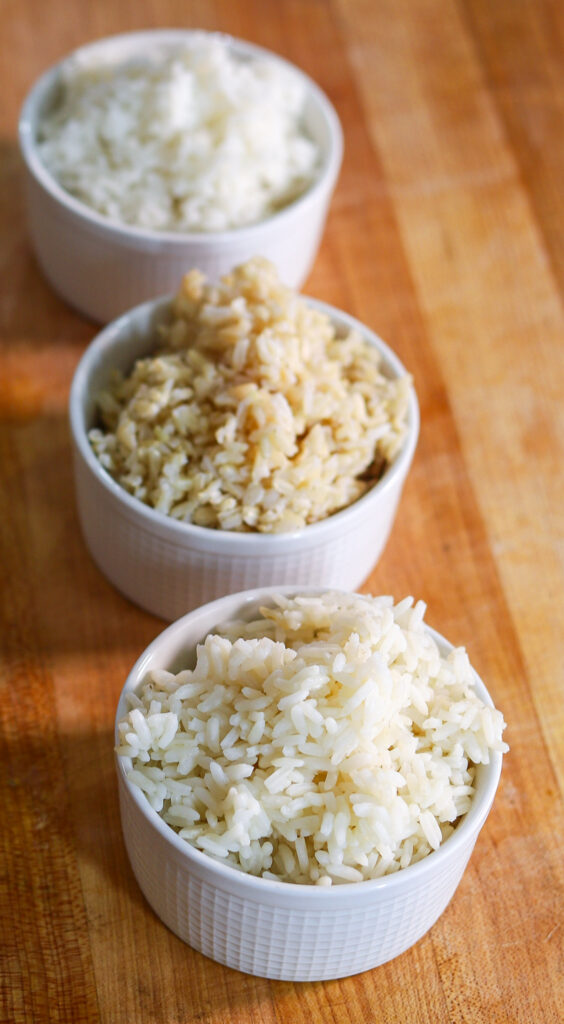
Welcome to Rice 101, where we’re getting back to basics and breaking down the differences between jasmine rice, long-grain white rice, brown rice, and parboiled rice, including how much water to use, whether you should rinse your rice, how long to cook it, and how to get fluffy rice every time.
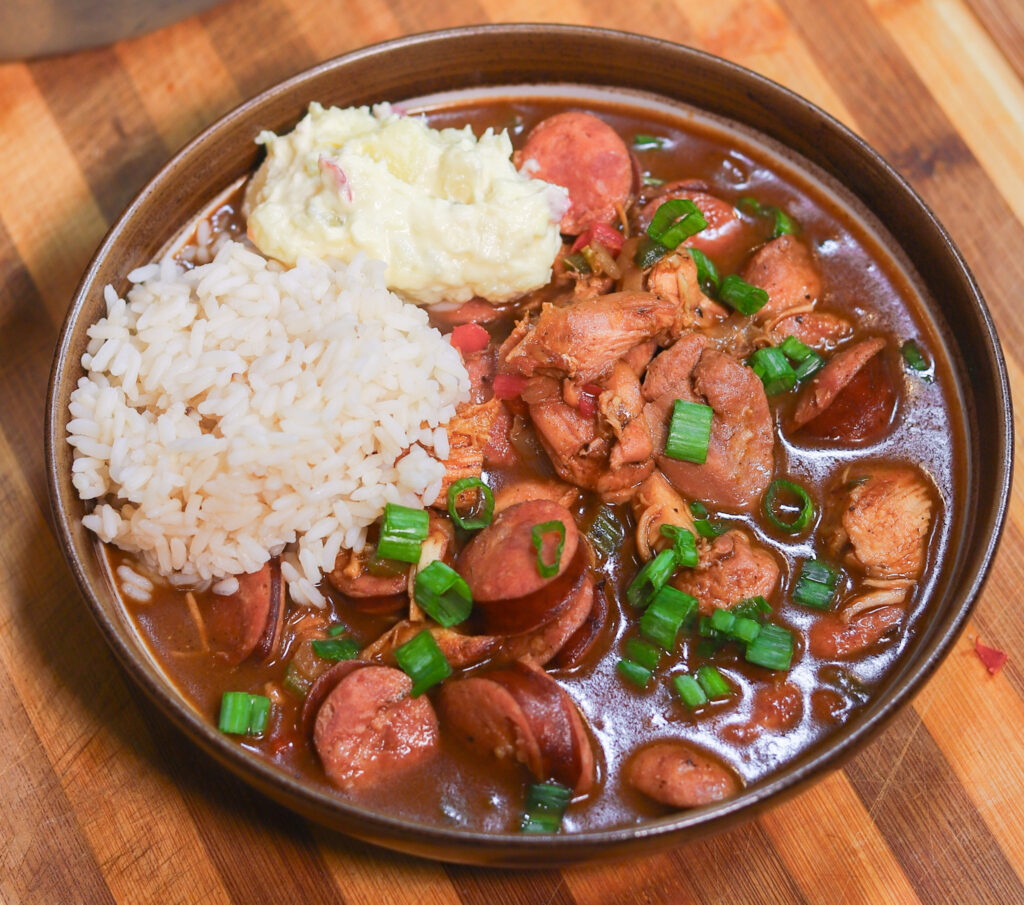
Whether you’re making rice to go underneath a pot of red beans, serving it with smothered chicken, making a rice bowl, or preparing a big pot of jambalaya, choosing the right rice—and cooking it correctly—can make all the difference.
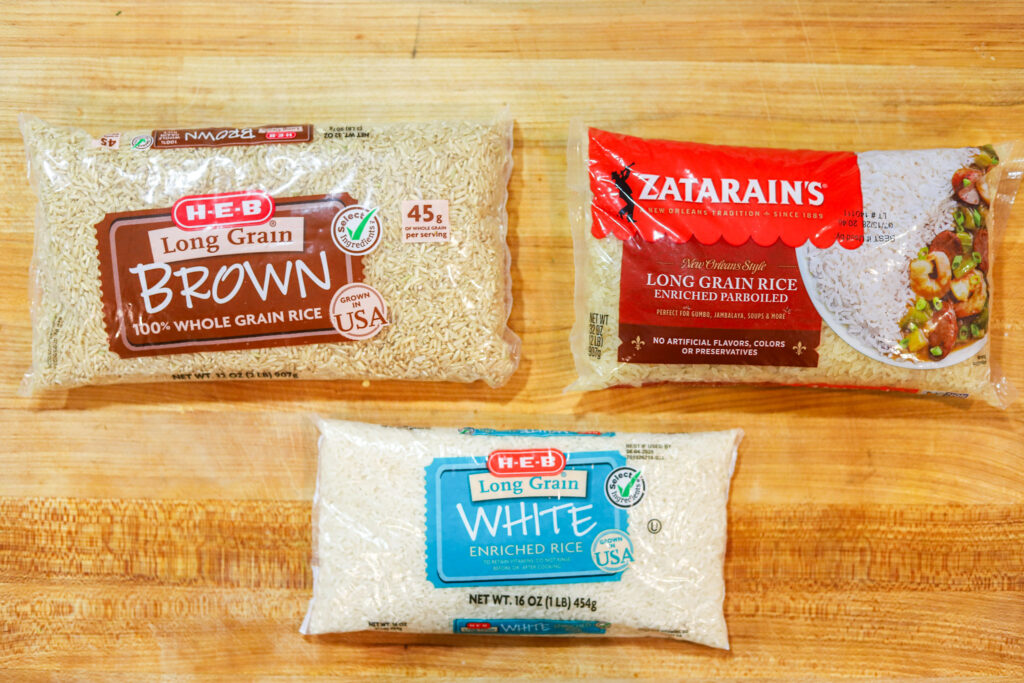
How to cook rice the best way
The secret to perfect stovetop rice comes down to a few things:
- Choosing the right type of rice.
- Using the correct rice-to-water ratio.
- Rinsing when appropriate.
- Cooking over low heat.
- Keeping the lid closed.
- Allowing the rice to rest before fluffing.
One of the biggest mistakes people make is assuming every variety of rice cooks exactly the same way.
It doesn’t.
Different types of rice absorb different amounts of water and have different textures, flavors, and cooking times. Understanding those differences is the first step toward better rice.
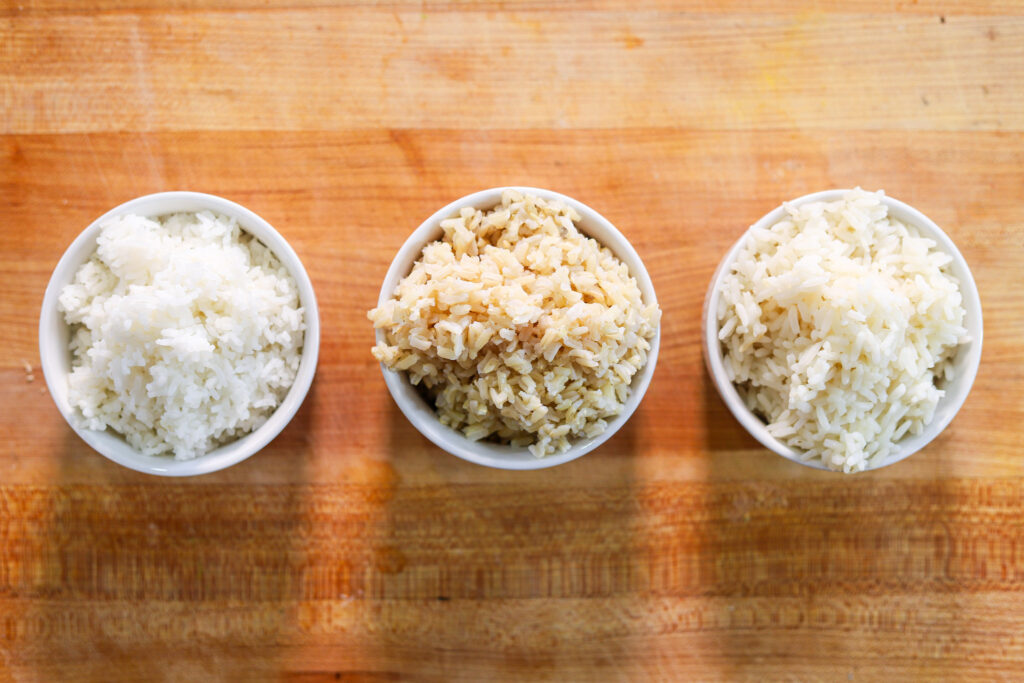
Types of Rice: What’s the Difference?
Long-Grain White Rice
If you grew up eating rice alongside Southern and Creole food, you’re probably very familiar with long-grain white rice.
It has a mild flavor and cooks up light and fluffy, with individual grains that stay relatively separate when prepared correctly.
This is one of my favorite all-purpose varieties because the neutral flavor makes it the perfect base for heavily seasoned dishes.
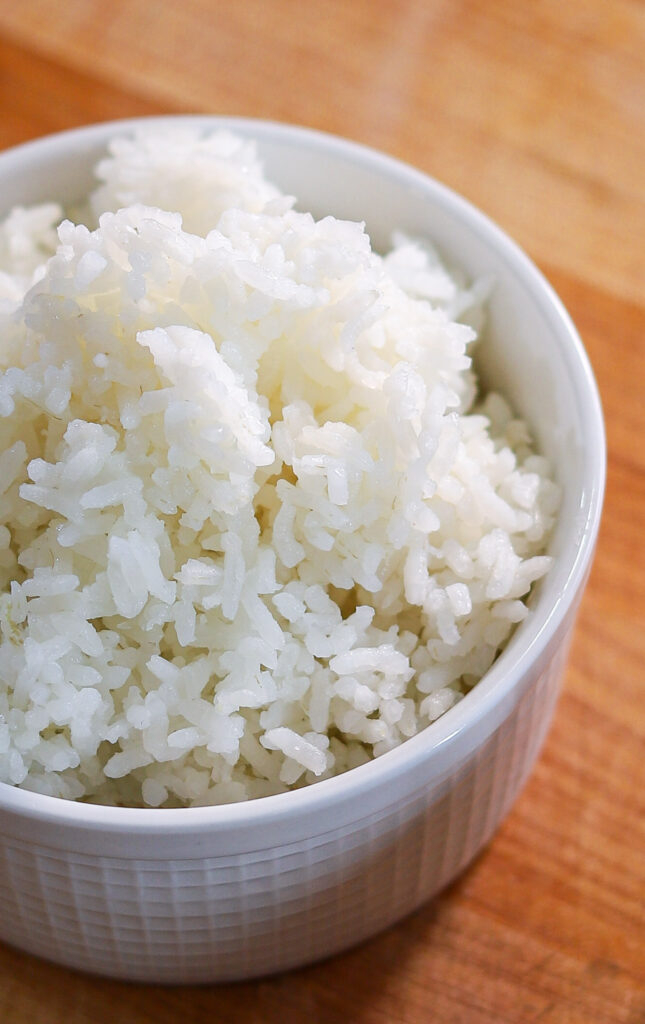
Long-Grain White Rice Is Best For:
Do You Rinse Long-Grain White Rice?
Yes, I recommend rinsing it.
Rinse the rice under cool water until the water becomes much less cloudy. This removes loose surface starch and helps produce more distinct, fluffy grains.
One exception is enriched rice. If the package specifically instructs you not to rinse it, follow those directions because some added nutrients can be washed from the surface.
Long-Grain White Rice-to-Water Ratio
For my stovetop method:
1 cup long-grain white rice + 1½ cups water

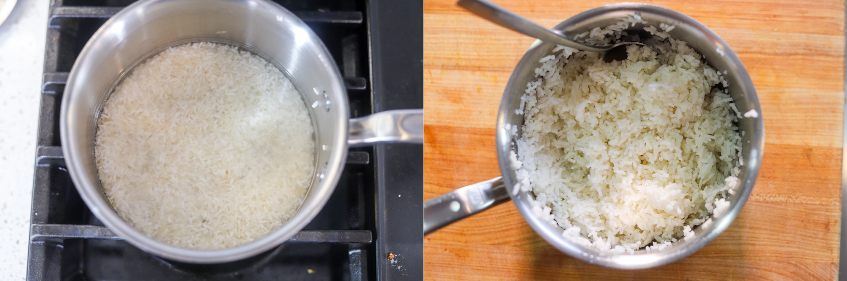
How to Cook Perfect Long-Grain White Rice
Ingredients
- 1 cup long-grain white rice
- 1½ cups water or chicken broth
- ½ teaspoon kosher salt
- 1 tablespoon butter or olive oil, optional
Instructions
1. Rinse the rice.
Rinse the rice under cool running water until the water is mostly clear. Drain well.
2. Add everything to your pot.
Combine the rice, water or broth, salt, and optional butter or oil in a medium saucepan.
3. Bring to a boil.
Bring the liquid to a boil over medium-high heat.
4. Cover and reduce the heat.
As soon as it reaches a boil, cover the pot with a tight-fitting lid and reduce the heat to low.
5. Cook for 15–18 minutes.
Leave it alone! Don’t stir the rice and don’t keep lifting the lid.
6. Rest for 10 minutes.
Turn off the heat and leave the rice covered for another 10 minutes.
7. Fluff and serve.
Remove the lid and gently fluff the rice with a fork.
Easy formula: 1 cup rice → 1½ cups liquid → 15–18 minutes → rest 10 minutes → fluff.
Brown Rice
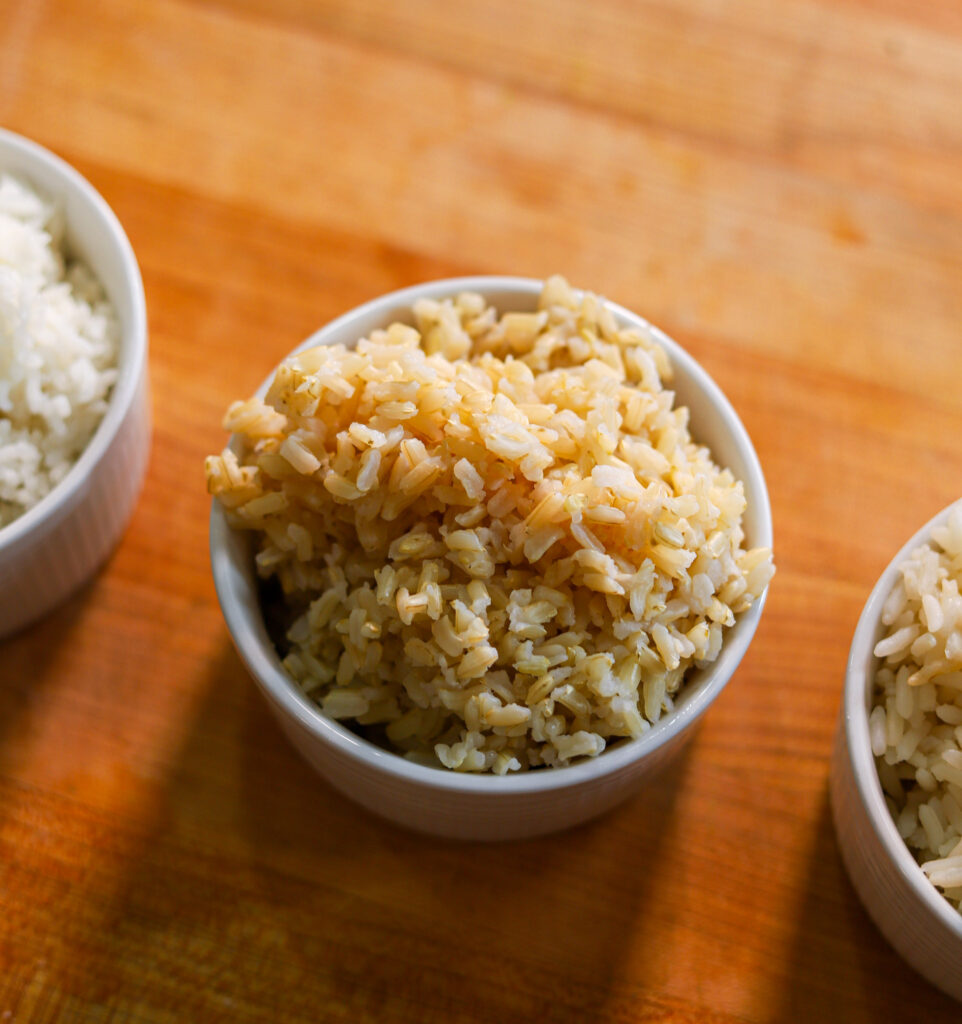
Brown rice is a whole grain because it still has its bran and germ. White rice has those portions removed during processing.
That difference changes everything from the flavor to the texture and cooking time.
Brown rice has a nuttier flavor and chewier texture than white rice. Because the bran layer remains intact, water takes longer to penetrate the grain.
That means brown rice generally requires more liquid and a longer cooking time.
Brown Rice Is Best For:
- Grain bowls
- Meal prep
- Salads
- Healthy side dishes
- Chicken and vegetable bowls
- Hearty meals
Do You Rinse Brown Rice?
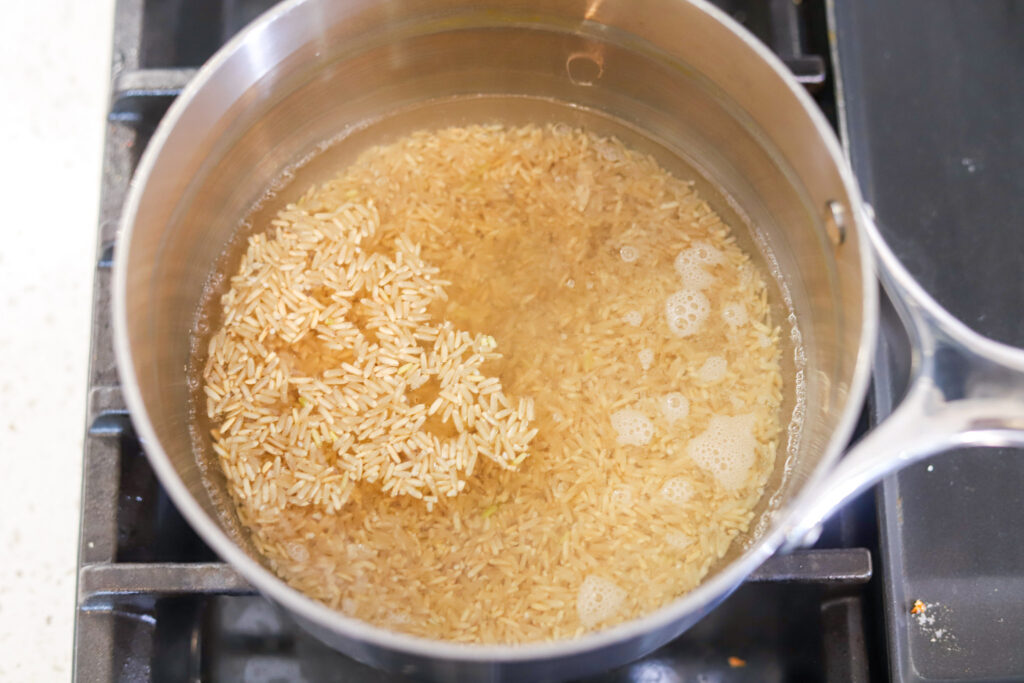
Yes. Give your brown rice a good rinse under cool water before cooking.
Brown Rice-to-Water Ratio
For my stovetop method:
1 cup long-grain brown rice + 2 cups water
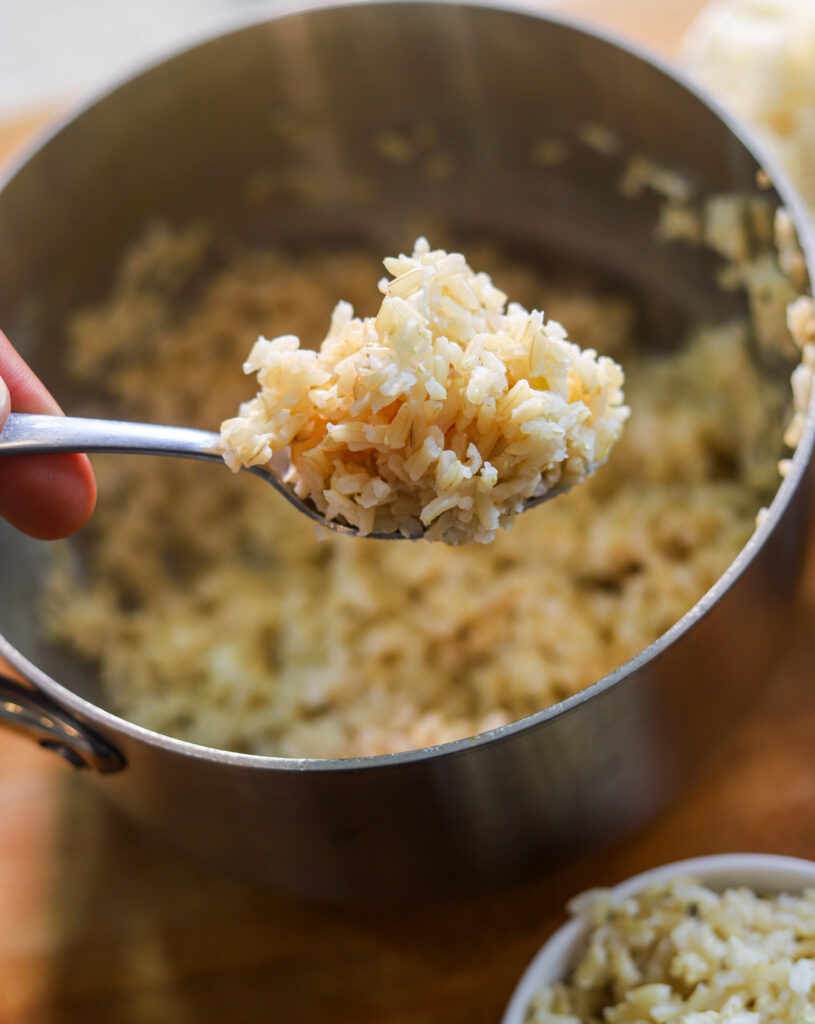
How to Cook Perfect Brown Rice
Ingredients
- 1 cup long-grain brown rice
- 2 cups water or chicken broth
- ½ teaspoon kosher salt
- 1 tablespoon butter or olive oil, optional
Instructions
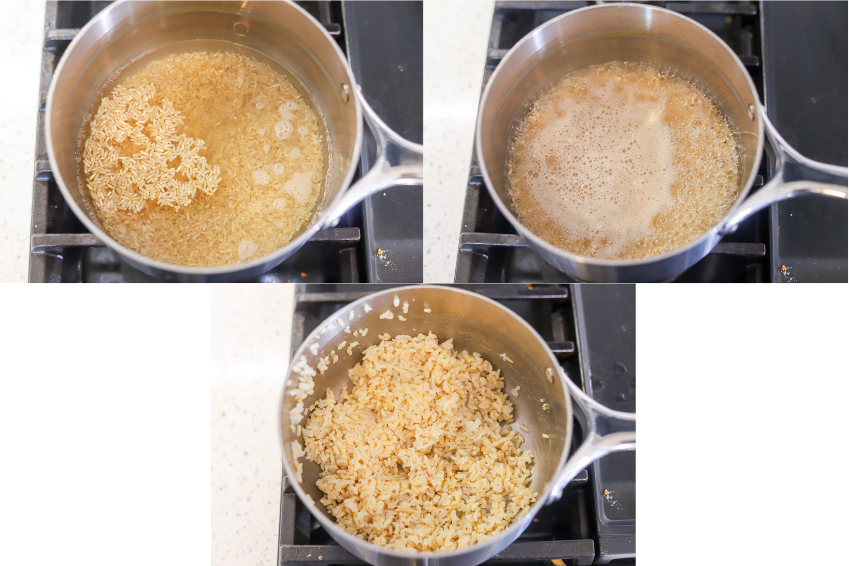
Rinse and drain your brown rice.
Combine the rice, liquid, salt, and optional butter or oil in a saucepan.
Bring everything to a boil before covering the pot and reducing the heat to low.
Cook covered for approximately 40–45 minutes, or until the liquid has been absorbed and the rice is tender.
Turn off the heat and allow the rice to rest covered for 10 minutes.
Fluff with a fork and serve.
If your rice is still slightly firm, add 2–3 tablespoons of water, cover it again, and cook for another 5–10 minutes.
Easy formula: 1 cup brown rice → 2 cups liquid → 40–45 minutes → rest 10 minutes → fluff.
Parboiled Rice
First things first:
Parboiled rice does NOT mean instant rice.
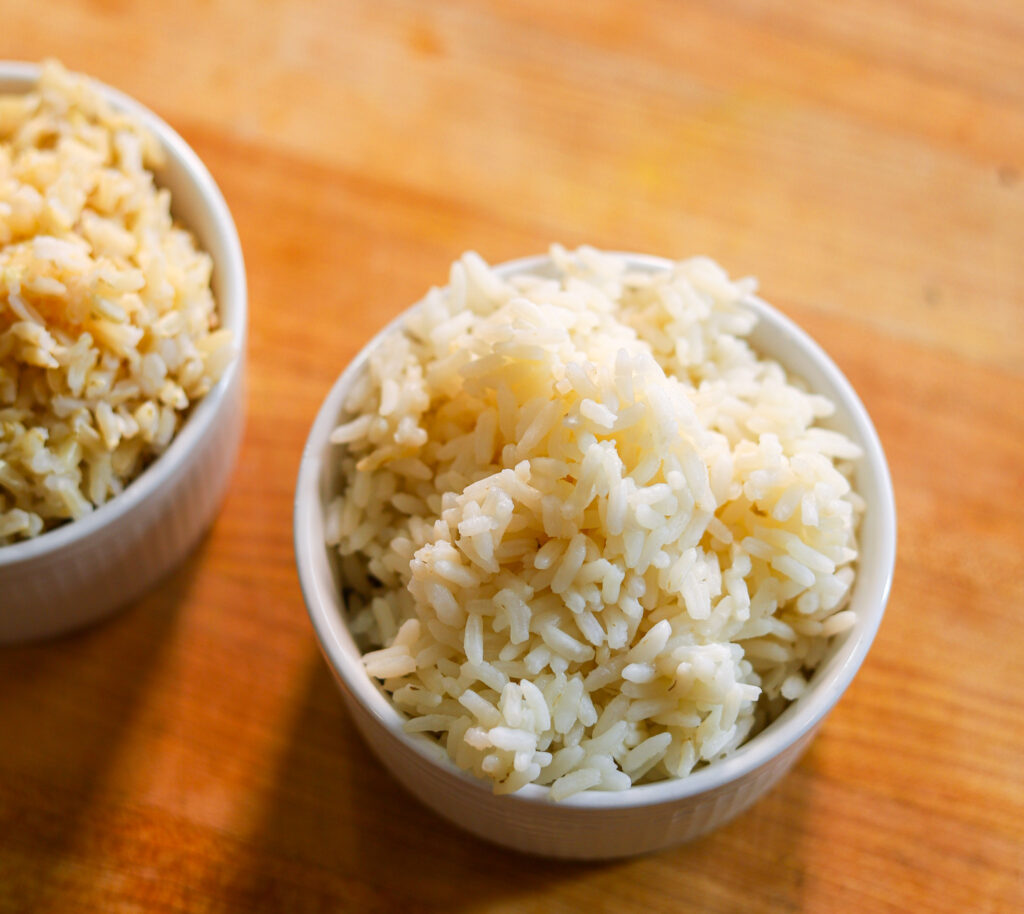
Parboiled rice undergoes a steam/heat treatment before milling and is then dried. The process changes the characteristics of the grain and is one reason parboiled rice cooks up especially firm and separate.
That’s what makes it such a good choice for recipes where you don’t want the rice becoming overly soft or sticky.
Parboiled Rice Is Best For:
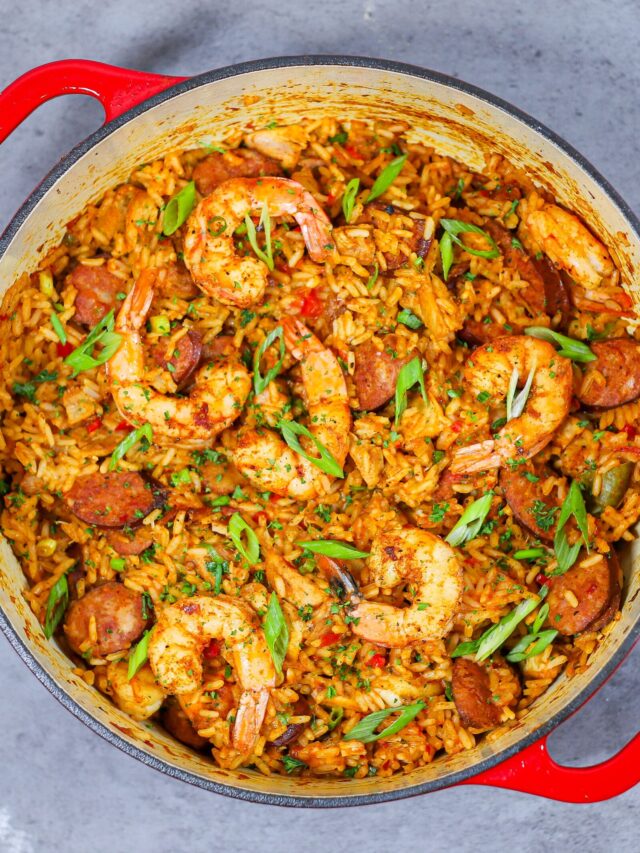
- Jambalaya
- Shrimp Fried Rice
- Large-batch cooking
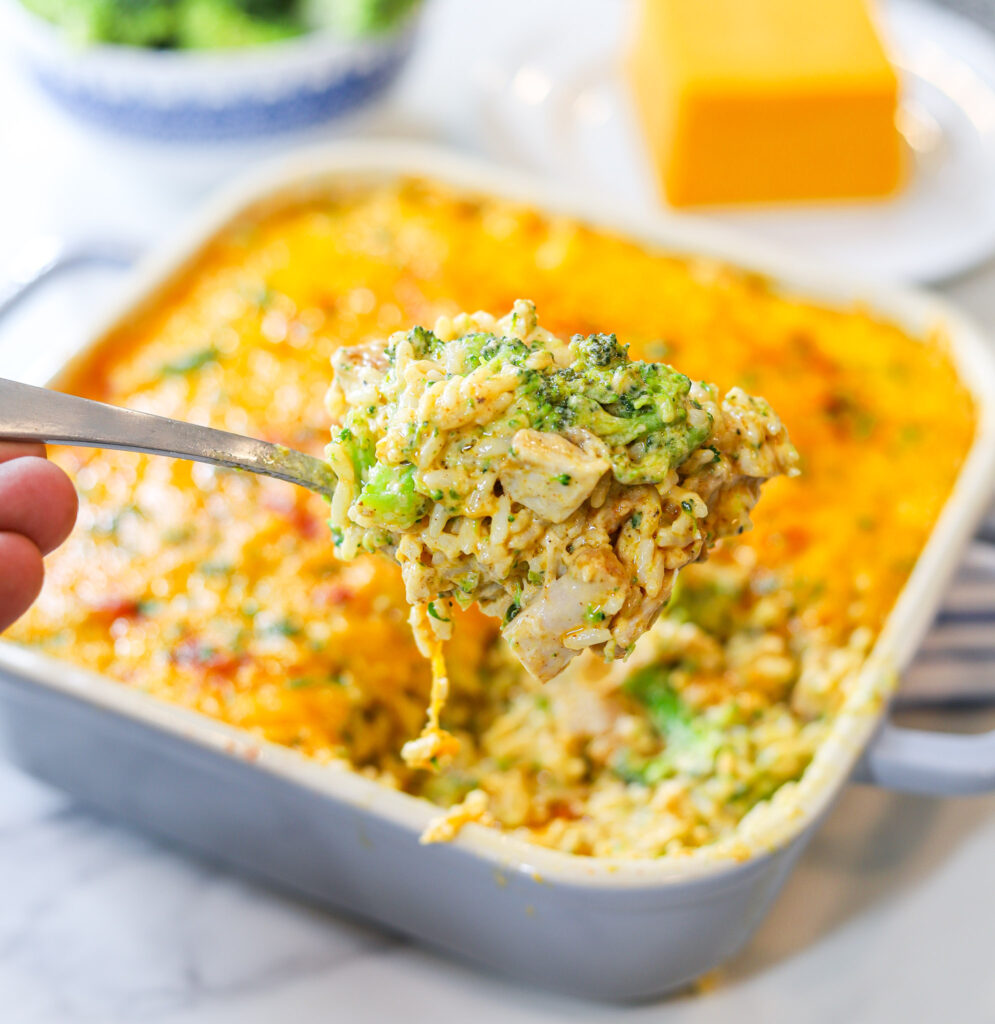
- Rice-based casseroles
- Dishes where you want firm, separate grains
Do You Rinse Parboiled Rice?
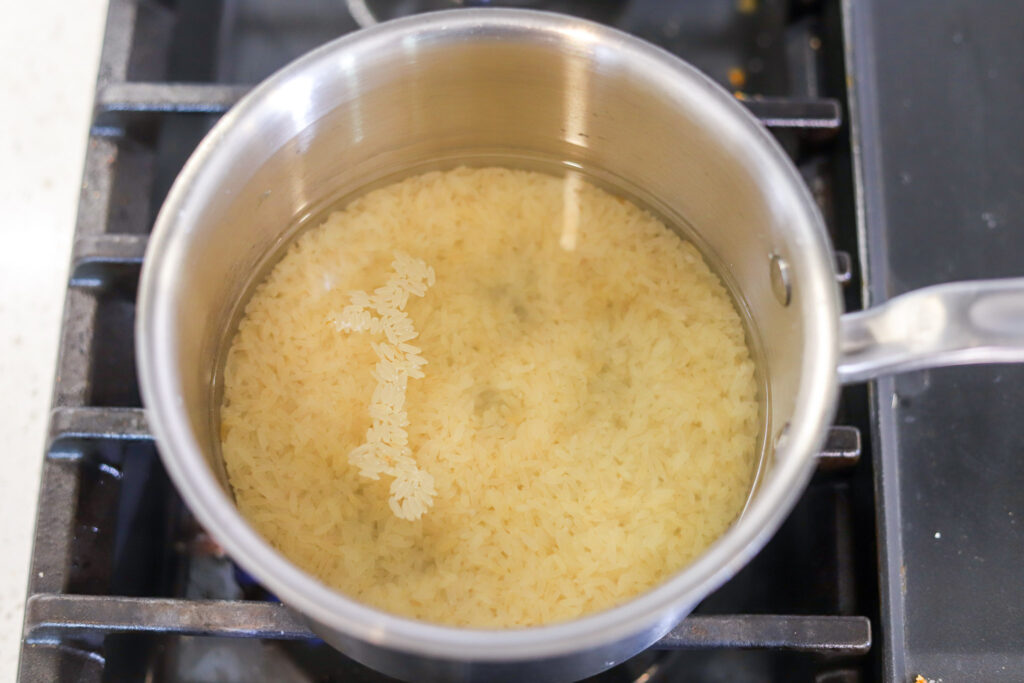
Rinsing is optional, but I like to give mine a quick rinse before cooking.
Parboiled Rice-to-Water Ratio
For my stovetop method:
1 cup parboiled rice + 2 cups water
Because parboiled rice can vary by manufacturer, check your package directions as well.
How to Cook Perfect Parboiled Rice
Ingredients
- 1 cup parboiled rice
- 2 cups water or chicken broth
- ½ teaspoon kosher salt
- 1 tablespoon butter or olive oil, optional
Instructions
Rinse the rice once or twice under cool water and drain.
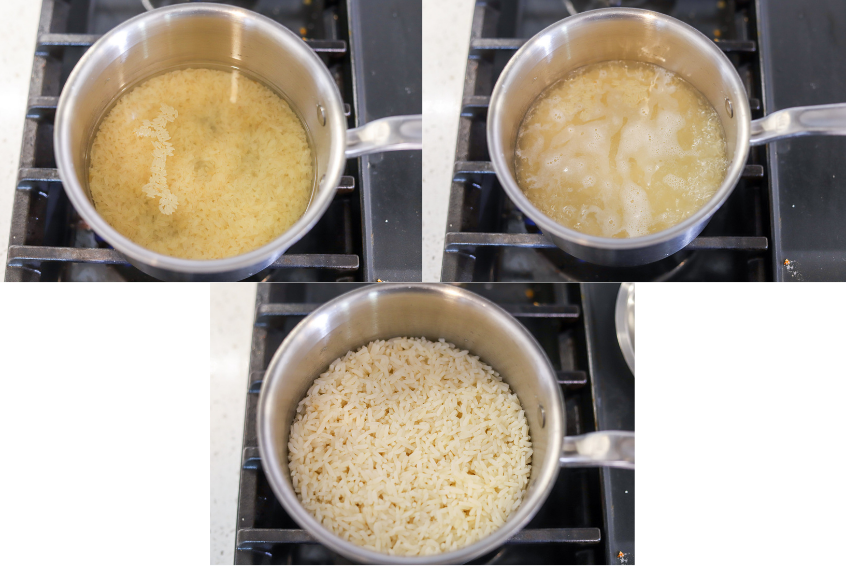
Combine the rice, water or broth, salt, and optional butter or oil in a saucepan.
Bring the liquid to a boil.
Cover the pot, reduce the heat to low, and cook for approximately 20–25 minutes, or according to the directions for your particular rice.
Turn off the heat and leave the pot covered for 10 minutes.
Fluff gently with a fork and serve.
Easy formula: 1 cup parboiled rice → 2 cups liquid → 20–25 minutes → rest 10 minutes → fluff.
Rice-to-Water Ratio Cheat Sheet
| Type of Rice | Rice | Liquid | Approx. Cook Time | Texture |
|---|---|---|---|---|
| Jasmine Rice | 1 cup | 1¼ cups | 15–18 min | Soft, fluffy, slightly clingy |
| Long-Grain White | 1 cup | 1½ cups | 15–18 min | Light and fluffy |
| Brown Rice | 1 cup | 2 cups | 40–45 min | Firm and chewy |
| Parboiled Rice | 1 cup | 2 cups | 20–25 min | Firm and separate |
Chef’s Note: These are my starting ratios for the stovetop absorption method. Rice varieties and brands can behave differently, so use the package instructions when they differ significantly.
Why Should You Rinse Rice Before Cooking?
One of the most common questions about cooking rice is: Do I really need to rinse it?
For many varieties, rinsing removes loose starch sitting on the outside of the grains.
That loose starch can thicken the cooking liquid and contribute to rice becoming stickier or gummier than you want.
Rinsing is particularly useful when your goal is fluffy rice with distinct grains.
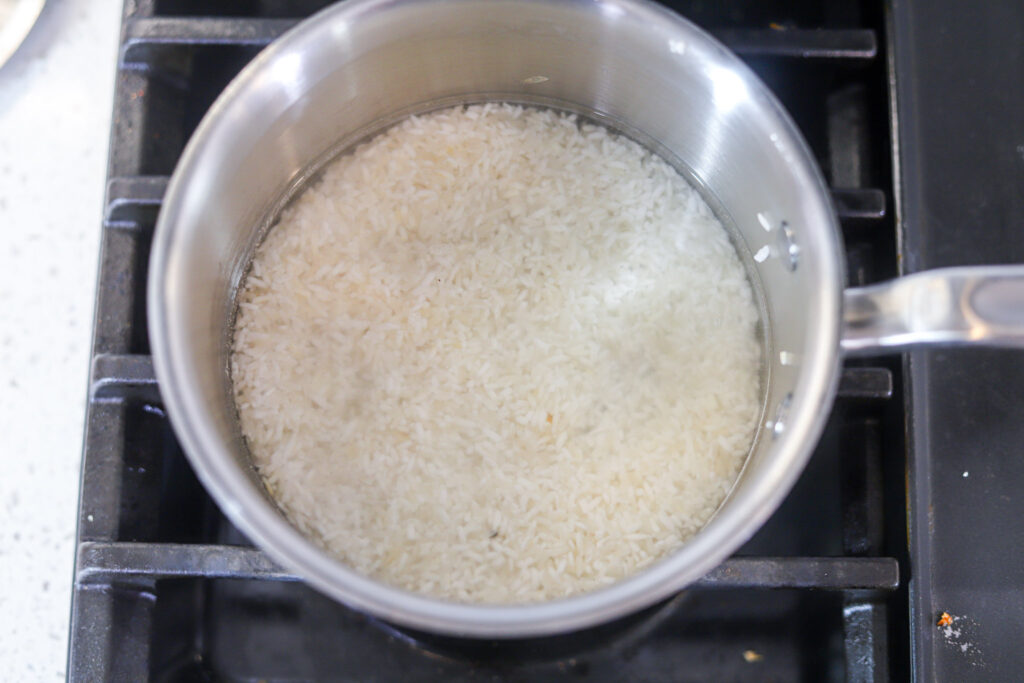
Add the rice to a bowl or fine-mesh strainer and rinse it several times with cool water. At first, you’ll notice the water looks very cloudy. As you continue rinsing, it should become significantly clearer.
It doesn’t have to be crystal clear.
Why Does Rice Get Mushy?
If your rice keeps turning into mush, chances are one—or several—of these things is happening.
1. You’re Using Too Much Water
This is one of the biggest culprits.
Rice absorbs water as it cooks. Give it significantly more water than it needs, and the grains can become overly hydrated and soft.
That’s why measuring your rice and liquid matters.
2. You’re Stirring the Rice
Once the rice is covered and cooking, leave it alone.
Stirring causes the grains to rub against one another, which can release additional starch and create a stickier texture.
Save all that stirring for risotto.
3. You’re Cooking It Too Long
More time doesn’t automatically mean more tender rice.
Eventually, the grains can become overly soft, swell too much, and begin losing their structure.
4. You’re Constantly Opening the Lid
I know you want to check it.
Don’t.
Opening the lid allows steam to escape and disrupts the controlled cooking environment inside your pot.
Once that lid goes on, leave that rice alone!
Why Is My Rice Crunchy?
If your rice is crunchy or hard in the center, it’s usually the opposite problem.
It may need:
- More water
- More cooking time
- Lower, steadier heat
- A better-fitting lid
If most of the liquid is gone but the rice is still firm, add a few tablespoons of water, cover the pot, and continue cooking over low heat for another 5 minutes.
Why You Should Let Rice Rest After Cooking
Don’t skip the rest!
Once your cooking time is finished, turn off the heat and leave the pot covered for approximately 10 minutes.
The trapped steam continues working while the moisture inside the pot redistributes.
After resting, gently fluff the grains with a fork instead of aggressively stirring them.
This small step can make a huge difference in the final texture.
Water vs. Chicken Broth for Rice
You don’t have to cook rice in plain water.
When I’m serving rice as a side dish, I sometimes swap the water for chicken broth or stock to add another layer of flavor.
You can also add:
- Butter
- Olive oil
- Garlic
- Onion
- Bay leaves
- Fresh herbs
- Your favorite seasonings
Just remember that if you’re using salted broth or seasoning blends, adjust the amount of additional salt accordingly.
Frequently Asked Questions
What is the best rice for beginners?
Long-grain white rice and parboiled rice are both great places to start. Parboiled rice is particularly useful when you want firm, separated grains.
Is jasmine rice the same as long-grain white rice?
Jasmine rice is a type of long-grain rice, but it has characteristics that distinguish it from standard American long-grain white rice. Jasmine is aromatic and tends to cook up softer with slightly more cling.
Is parboiled rice already cooked?
No. Parboiled rice isn’t the same as instant or precooked rice. It has undergone processing before milling, but you still need to fully cook it before eating.
Why is brown rice healthier than white rice?
Brown rice retains its bran and germ, while those layers are removed to produce white rice. Because those parts remain, brown rice generally contains more fiber and retains additional nutrients.
How do you make rice fluffy instead of sticky?
Use the appropriate amount of water, rinse varieties that benefit from rinsing, avoid stirring while the rice cooks, keep the lid closed, and allow the finished rice to rest before gently fluffing it with a fork.
Can I use chicken broth instead of water?
Absolutely. Chicken broth or stock adds flavor without changing the basic cooking technique. Just watch your salt.
Should you put butter in rice?
You don’t have to, but you can. A little butter adds richness and flavor. Olive oil is another option.
How much cooked rice does 1 cup of dry rice make?
The exact yield varies by variety, but 1 cup of dry rice generally produces around 3 cups of cooked rice.
The Secret to Perfect Rice Every Time
If you remember nothing else from Rice 101, remember this:
Rinse → Use the right ratio → Bring to a boil → Cover → Reduce to low → Don’t touch it → Rest → Fluff.
Rice doesn’t have to be intimidating.
Once you stop treating every variety exactly the same and understand how the type of rice affects the amount of liquid and cooking time, getting a fluffy pot of rice becomes a whole lot easier.
And that’s what Back to Basics is all about—mastering those simple kitchen techniques that you’ll use over and over again.
Now grab a pot and let’s make some rice!
For added flavor, try my Bayou City Seasonings. Hand crafted for a full experience and taste of what’s cooking in my kitchen, you have to try my seasonings! Guaranteed to satisfy your taste buds.
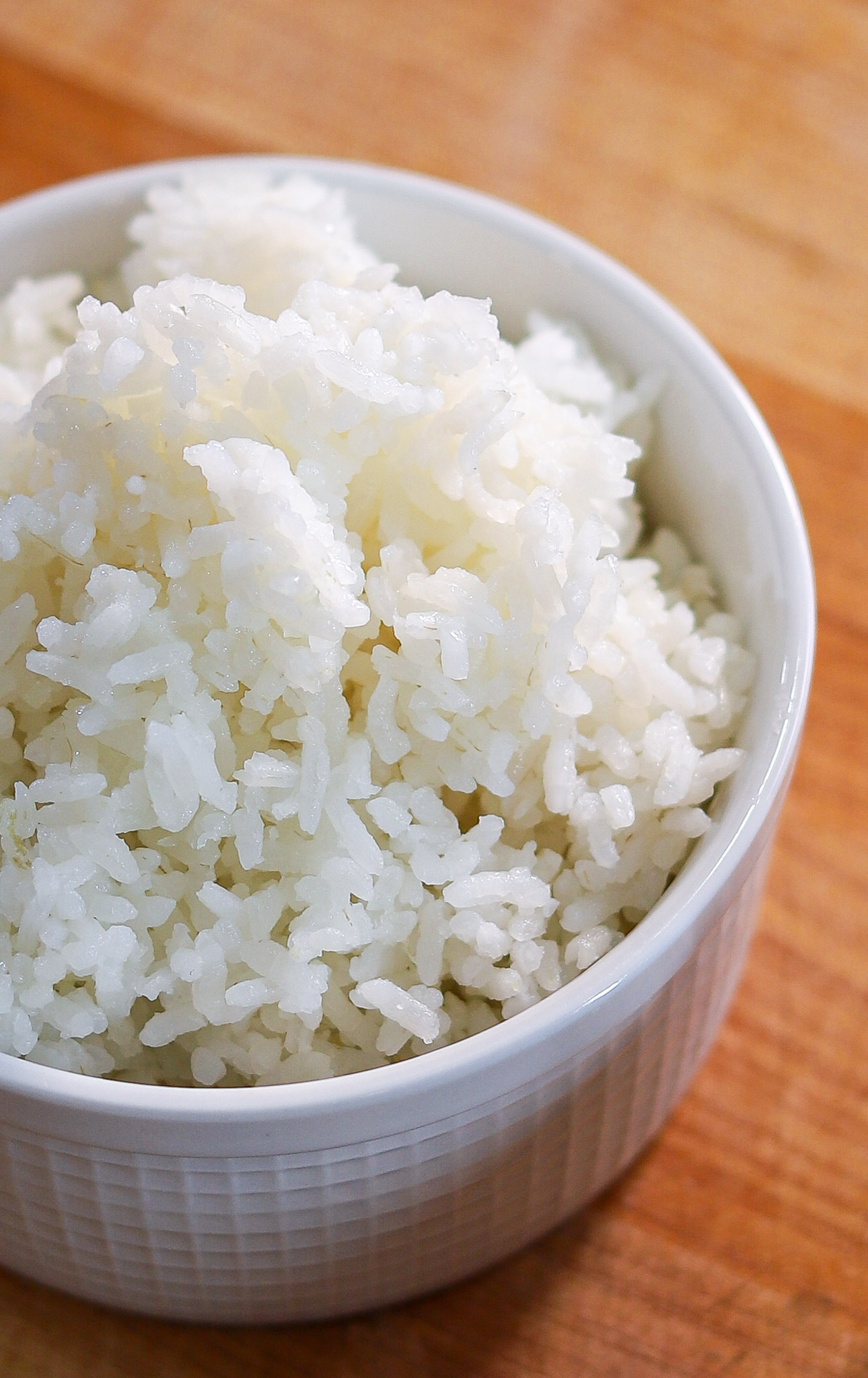
Perfect Stovetop Rice
Ingredients
Equipment
Method
- Place the rice in a fine-mesh strainer and rinse under cool running water until the water is mostly clear. Drain well.
- Add the rinsed rice, water or broth, salt, and butter or olive oil, if using, to a medium saucepan.
- Bring the mixture to a boil over medium-high heat.
- Once boiling, cover the pot with a tight-fitting lid and immediately reduce the heat to low.
- Cook covered for 15–18 minutes, or until the liquid has been absorbed. Do not stir the rice or remove the lid while it cooks.
- Turn off the heat and leave the pot covered for 10 minutes.
- Remove the lid and gently fluff the rice with a fork before serving.